Laser Tattoo Removal Large Tattoo 10 Sessions | IPL Lab Montreal
$2,000
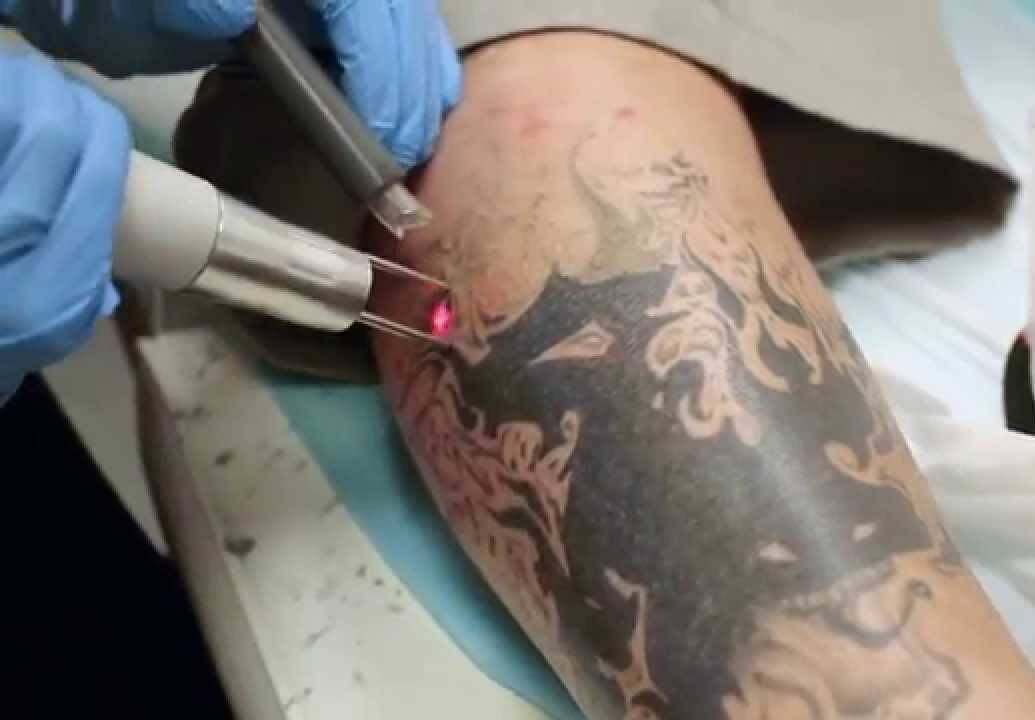
Laser tattoo removal for a large tattoo at IPL Lab Medispa in Montreal and Laval uses an advanced PICO (picosecond) laser to break down unwanted ink and fade your tattoo, treatment by treatment.
This ten-session package is our most complete course for a large tattoo — a forearm band, half-sleeve or sizeable back or chest design — designed to work toward substantial or complete clearance, not just fading. A numbing cream is applied first for comfort.
✅ FREE AI Skin Analysis is included with this package.
Pay in installments or finance with Klarna/Affirm. The service agreement is emailed after the purchase; cancel at any time. Terms
- Breaks down and fades unwanted tattoo ink
- Picosecond laser — often fewer sessions than older lasers
- Works better on stubborn ink colours
- Lower risk of pigment change across skin tones
- Numbing cream applied for comfort
- Sized for a large tattoo
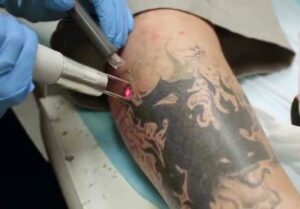
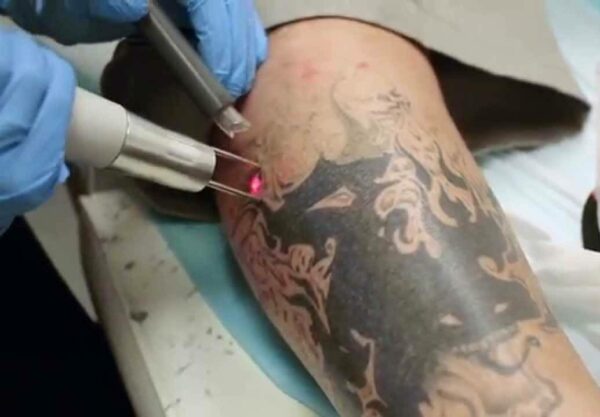
Numbing cream > PICO laser tattoo removal protocol over the tattoo (a temporary white frosting appears) > calming cream and dressing.
This package includes ten sessions for a large tattoo — the full programme for the most complete result. Sessions are spaced about every 4–6 weeks, so the course unfolds over roughly 12–15 months; the later sessions target dense fill, stubborn colours and residual shadowing.
- Avoid sun exposure and tanning for at least two weeks before and after; keep the treated area protected with SPF once healed.
- Expect temporary frosting, then possible redness, swelling, blistering or scabbing that heals over a week or two — do not pick.
- Keep the area clean and covered; avoid swimming, saunas, hot tubs and intense workouts until fully healed.
- Do not apply makeup or harsh products to the area while it heals.
- Tell your specialist about medications, allergies, a recent tan, pregnancy or any skin conditions in the area.
Description
Description
Laser Tattoo Removal Large Tattoo 10 Sessions — Montreal & Laval
This laser tattoo removal large tattoo 10 sessions package at IPL Lab Medispa is our most complete course for a bigger piece — a forearm band, half-sleeve or sizeable back or chest design. It uses an advanced PICO (picosecond) laser to break down unwanted ink session after session, with the depth of treatment a large tattoo needs to move from fading toward substantial or complete clearance, including on dense, multicolour or professional work. A numbing cream is applied first for comfort. If you would rather begin with a shorter course, the six-session large-tattoo package is also available.
How PICO laser tattoo removal works
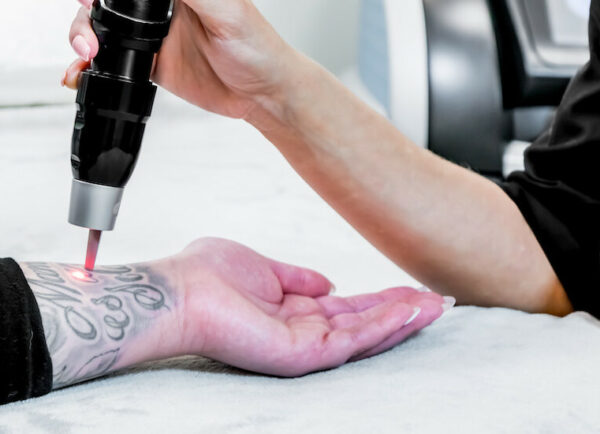
The PICO laser delivers ultra-short pulses — trillionths of a second — that shatter tattoo ink into tiny particles through a photoacoustic effect. Your body’s immune system then gradually clears those particles over the weeks that follow. Because it relies on speed rather than heat, the picosecond approach is often more effective and can require fewer sessions than older Q-switched lasers, tends to work better on stubborn colours, and carries a lower risk of pigment change across a wider range of skin tones. Each visit follows a clear protocol: numbing cream, the PICO laser passes over the tattoo, then a calming cream.
What to expect from laser tattoo removal large tattoo 10 sessions
Tattoo fading is gradual and cumulative — the ink lightens over a series of sessions rather than disappearing at once. Sessions are spaced about four to six weeks apart to let the skin heal and the body clear the shattered ink, so a ten-session programme unfolds over roughly twelve to fifteen months. A large tattoo carries a great deal of ink, so the early sessions lighten it noticeably while the later sessions are where dense fill, stubborn colours and residual shadowing are worked through — which is why the full programme is the tier designed for the most complete result on a large piece. Immediately after each visit the area typically shows a temporary white “frosting,” and mild redness, swelling, or occasional blistering and scabbing can follow as it heals over a week or two.
Who it’s for
Ten sessions is the tier for anyone whose goal is to clear a large tattoo as completely as possible — especially professional work, dense black fill, or colours such as green, blue and yellow that respond more slowly — rather than only fade it ahead of a cover-up. It also offers the lowest effective per-session price in the large-tattoo family. Because the number of sessions a tattoo needs varies with ink colours and density, age, depth, location on the body and your skin type, and large pieces can need more than any fixed course, complete removal cannot be promised in a set number of sessions. A personalized consultation and assessment at our Montreal or Laval medispa reviews your tattoo and skin, sets realistic expectations and confirms that the full programme is the right fit.
Frequently asked questions
How does PICO laser tattoo removal work?
A picosecond laser shatters the ink into tiny particles that your immune system gradually clears over the following weeks, fading the tattoo across a series of sessions.
Is laser tattoo removal large tattoo 10 sessions enough for complete removal?
Ten sessions is our full programme and is the tier where large pieces typically reach substantial or complete clearance. Very dense or multicolour large tattoos may still need additional sessions afterward. Your specialist gives a realistic estimate at consultation.
Does it hurt, and what is the aftercare?
A numbing cream is applied for comfort; most people describe a snapping sensation. Afterward, keep the area clean and covered, avoid picking any scabs, skip swimming, saunas and intense heat until healed, and protect it with SPF.
Can I pay for the 10-session package in instalments?
Yes — this package is eligible for payment in two instalments. Ask our team when booking.
Is it safe for my skin tone?
The picosecond approach is generally suitable across a wider range of skin tones than older lasers, with lower risk of pigment change. Your specialist confirms suitability and settings at consultation.
Related products
-

Laser Tattoo Removal Large Tattoo 6 Sessions | IPL Lab Montreal
$1,500 Add to cartQuick ViewLaser Tattoo Removal Large Tattoo 6 Sessions | IPL Lab Montreal
$1,500
Laser tattoo removal for a large tattoo at IPL Lab Medispa in Montreal and Laval uses an advanced PICO (picosecond) laser to break down unwanted ink and fade your tattoo, treatment by treatment.
This six-session package is sized for a large tattoo — a forearm band, half-sleeve or sizeable back or chest design — and offers a fuller course toward substantial fading. A numbing cream is applied first for comfort.
✅ FREE AI Skin Analysis is included with this package.
Pay in installments or finance with Klarna/Affirm. The service agreement is emailed after the purchase; cancel at any time. Terms
- Breaks down and fades unwanted tattoo ink
- Picosecond laser — often fewer sessions than older lasers
- Works better on stubborn ink colours
- Lower risk of pigment change across skin tones
- Numbing cream applied for comfort
- Fuller course for a large tattoo
Numbing cream > PICO laser tattoo removal protocol over the tattoo (a temporary white frosting appears) > calming cream and dressing.
This package includes six sessions for a large tattoo, a fuller course toward substantial fading. Sessions are spaced about every 4–6 weeks to let the skin heal and the body clear the ink; the biggest or densest pieces may still need further sessions.
- Avoid sun exposure and tanning for at least two weeks before and after; keep the treated area protected with SPF once healed.
- Expect temporary frosting, then possible redness, swelling, blistering or scabbing that heals over a week or two — do not pick.
- Keep the area clean and covered; avoid swimming, saunas, hot tubs and intense workouts until fully healed.
- Do not apply makeup or harsh products to the area while it heals.
- Tell your specialist about medications, allergies, a recent tan, pregnancy or any skin conditions in the area.
-

Laser Tattoo Removal Medium Tattoo 10 Sessions | IPL Lab Montreal
$1,200 Add to cartQuick ViewLaser Tattoo Removal Medium Tattoo 10 Sessions | IPL Lab Montreal
$1,200
Laser tattoo removal for a medium tattoo at IPL Lab Medispa in Montreal and Laval uses an advanced PICO (picosecond) laser to break down unwanted ink and fade your tattoo, treatment by treatment.
This ten-session package is our most complete course for a medium tattoo — roughly hand-size — designed to work toward complete removal, not just fading. A numbing cream is applied first for comfort.
✅ FREE AI Skin Analysis is included with this package.
Pay in installments or finance with Klarna/Affirm. The service agreement is emailed after the purchase; cancel at any time. Terms
- Breaks down and fades unwanted tattoo ink
- Picosecond laser — often fewer sessions than older lasers
- Works better on stubborn ink colours
- Lower risk of pigment change across skin tones
- Numbing cream applied for comfort
- Sized for a medium (hand-size) tattoo
Numbing cream > PICO laser tattoo removal protocol over the tattoo (a temporary white frosting appears) > calming cream and dressing.
This package includes ten sessions for a medium tattoo — the full programme for complete removal. Sessions are spaced about every 4–6 weeks, so the course unfolds over roughly 12–15 months; the later sessions target dense fill, stubborn colours and residual shadowing.
- Avoid sun exposure and tanning for at least two weeks before and after; keep the treated area protected with SPF once healed.
- Expect temporary frosting, then possible redness, swelling, blistering or scabbing that heals over a week or two — do not pick.
- Keep the area clean and covered; avoid swimming, saunas, hot tubs and intense workouts until fully healed.
- Do not apply makeup or harsh products to the area while it heals.
- Tell your specialist about medications, allergies, a recent tan, pregnancy or any skin conditions in the area.
-
Laser Tattoo Removal Medium Tattoo 6 Sessions | IPL Lab Montreal
$900 Add to cartQuick ViewLaser Tattoo Removal Medium Tattoo 6 Sessions | IPL Lab Montreal
$900
Laser tattoo removal for a medium tattoo at IPL Lab Medispa in Montreal and Laval uses an advanced PICO (picosecond) laser to break down unwanted ink and fade your tattoo, treatment by treatment.
This six-session package is sized for a medium tattoo — roughly hand-size — and offers a fuller course for more substantial fading. A numbing cream is applied first for comfort.
✅ FREE AI Skin Analysis is included with this package.
Pay in installments or finance with Klarna/Affirm. The service agreement is emailed after the purchase; cancel at any time. Terms
- Breaks down and fades unwanted tattoo ink
- Picosecond laser — often fewer sessions than older lasers
- Works better on stubborn ink colours
- Lower risk of pigment change across skin tones
- Numbing cream applied for comfort
- Fuller course for a medium (hand-size) tattoo
Numbing cream > PICO laser tattoo removal protocol over the tattoo (a temporary white frosting appears) > calming cream and dressing.
This package includes six sessions for a medium tattoo, a fuller course for more substantial fading. Sessions are spaced about every 4–6 weeks to let the skin heal and the body clear the ink; denser or multi-colour pieces may still need more.
- Avoid sun exposure and tanning for at least two weeks before and after; keep the treated area protected with SPF once healed.
- Expect temporary frosting, then possible redness, swelling, blistering or scabbing that heals over a week or two — do not pick.
- Keep the area clean and covered; avoid swimming, saunas, hot tubs and intense workouts until fully healed.
- Do not apply makeup or harsh products to the area while it heals.
- Tell your specialist about medications, allergies, a recent tan, pregnancy or any skin conditions in the area.
-

Laser Tattoo Removal Small Tattoo 6 Sessions | IPL Lab Montreal
$540 Add to cartQuick ViewLaser Tattoo Removal Small Tattoo 6 Sessions | IPL Lab Montreal
$540
Laser tattoo removal for a small tattoo at IPL Lab Medispa in Montreal and Laval uses an advanced PICO (picosecond) laser to break down unwanted ink and fade your tattoo, treatment by treatment.
This six-session package is sized for a small tattoo and offers a fuller course for more complete fading. A numbing cream is applied first for comfort.
✅ FREE AI Skin Analysis is included with this package.
Pay in installments or finance with Klarna/Affirm. The service agreement is emailed after the purchase; cancel at any time. Terms
- Breaks down and fades unwanted tattoo ink
- Picosecond laser — often fewer sessions than older lasers
- Works better on stubborn ink colours
- Lower risk of pigment change across skin tones
- Numbing cream applied for comfort
- Fuller course for a small tattoo
Numbing cream > PICO laser tattoo removal protocol over the tattoo (a temporary white frosting appears) > calming cream and dressing.
This package includes six sessions for a small tattoo, a fuller course for more complete fading. Sessions are spaced about every 4–6 weeks to let the skin heal and the body clear the ink; some tattoos still need additional sessions.
- Avoid sun exposure and tanning for at least two weeks before and after; keep the treated area protected with SPF once healed.
- Expect temporary frosting, then possible redness, swelling, blistering or scabbing that heals over a week or two — do not pick.
- Keep the area clean and covered; avoid swimming, saunas, hot tubs and intense workouts until fully healed.
- Do not apply makeup or harsh products to the area while it heals.
- Tell your specialist about medications, allergies, a recent tan, pregnancy or any skin conditions in the area.